False opportunity
Traffickers use job offers that appear legitimate, often online or through informal networks.
A message that looks like fraud can hide a person who was deceived by a false job offer, trafficked, and forced to carry out online scams under threats, coercion and fear.
Forced scamming often begins with something ordinary: a job advertisement, a direct message, or a promise of better work. The exploitation becomes visible only after control has already been taken.
Traffickers use job offers that appear legitimate, often online or through informal networks.
Victims may be transported across borders, isolated, and have passports or phones taken from them.
Under surveillance, threats and abuse, victims are compelled to run online fraud operations.
Because they were forced to commit offences, victims can be treated as criminals rather than recognised as trafficked people.
 Victim identification
 Prevention
 Practical learning
 Confidence and learning
 Education
 Practical awareness
 Protection and justice
Freedom did not immediately mean justice.
A story that directly reveals the human reality behind forced scamming and why identifying victims correctly is essential to justice.
Two teenage girls left home chasing a simple promise: a safe job and a chance to support their families. Instead, they were trafficked across borders and forced into a scamming operation guarded by armed men.
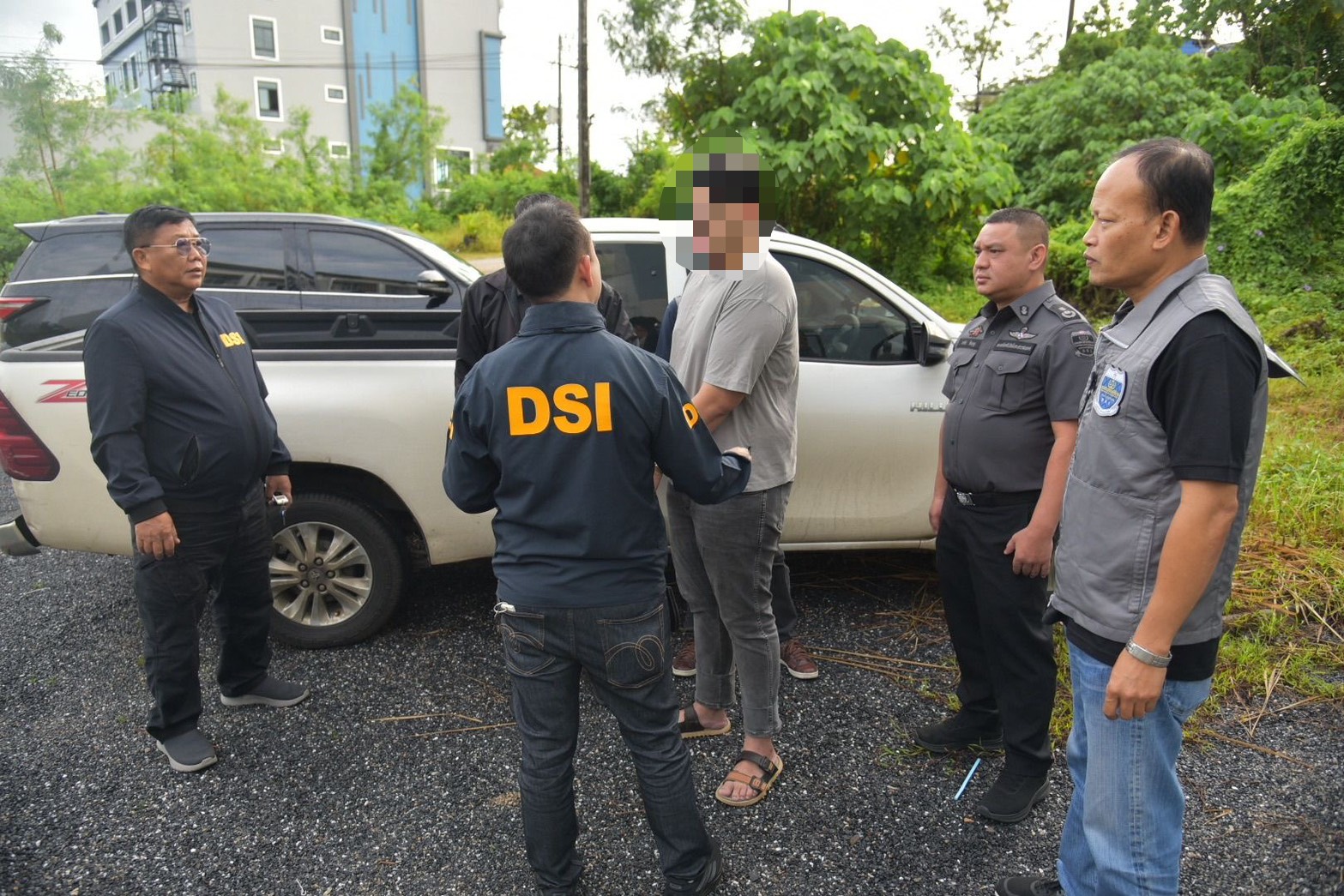
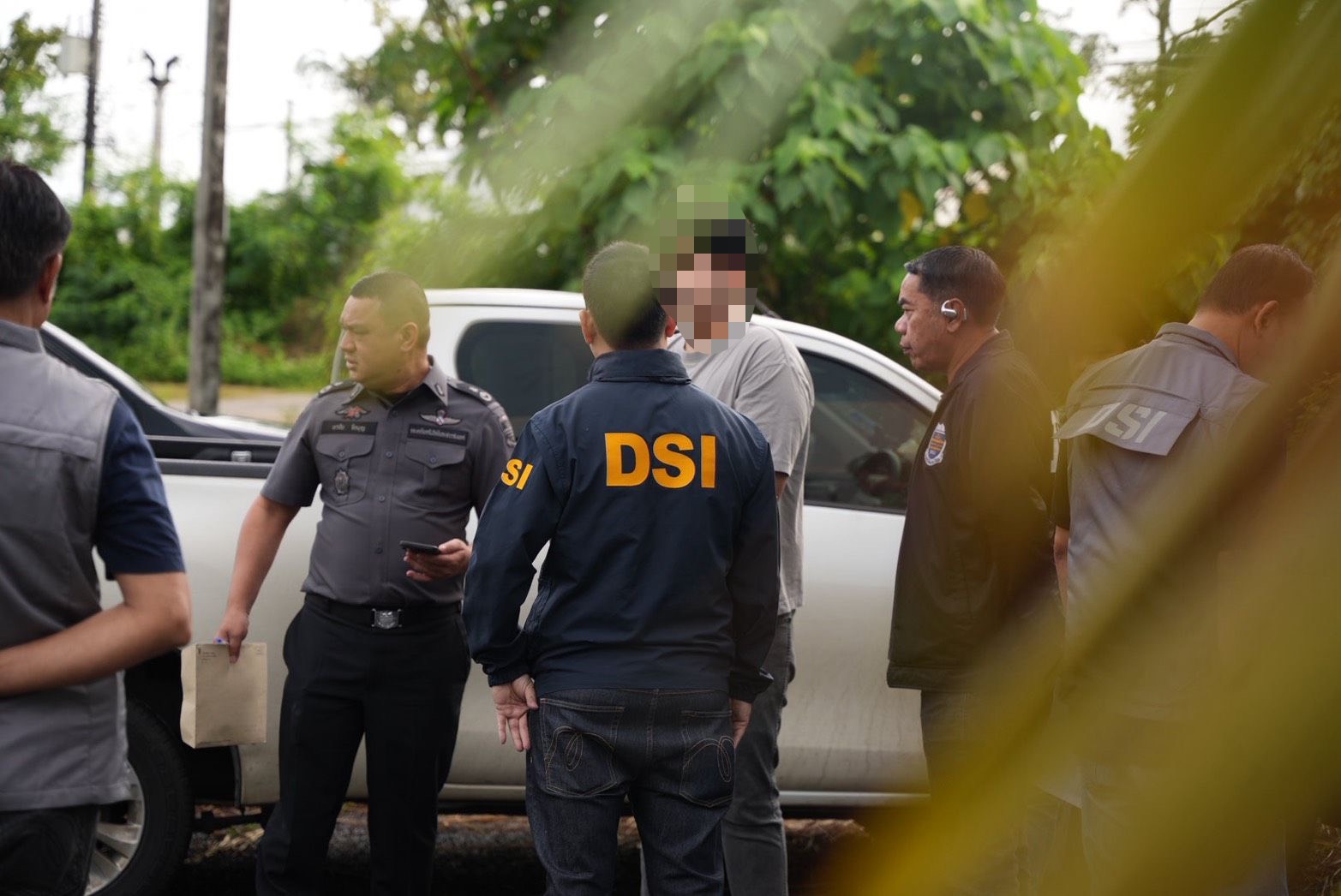
After they were rescued, they were initially treated as offenders under immigration law.
LIFT by Hagar gathered psychological evidence and advocated for the girls to be recognised as trafficking survivors. The court later reversed its position.
One offender was sentenced to 12 years in prison, and the girls received compensation. For them, the biggest victory was reclaiming their innocence.
Read the full storyReaching safety is the beginning, not the end. Hagar’s trauma-informed approach supports survivors across immediate protection, healing, justice, education and long-term independence.
Explore Hagar’s work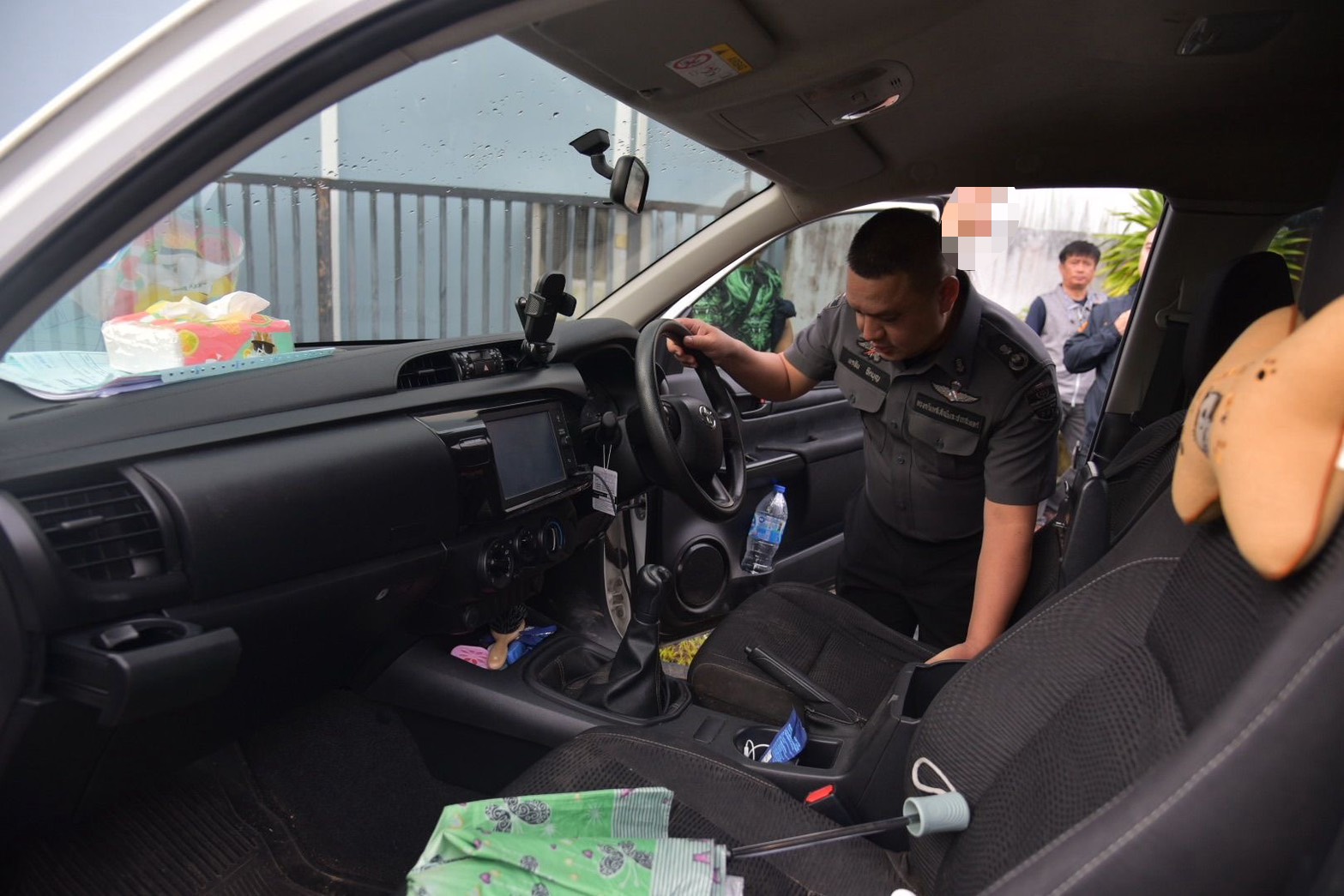 Evidence and justice
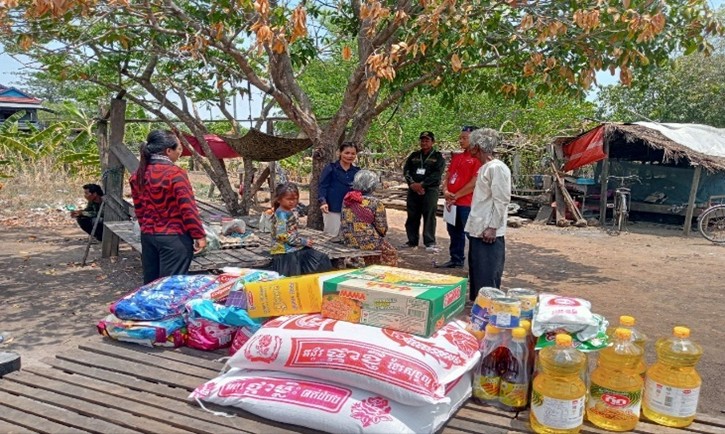 Community support
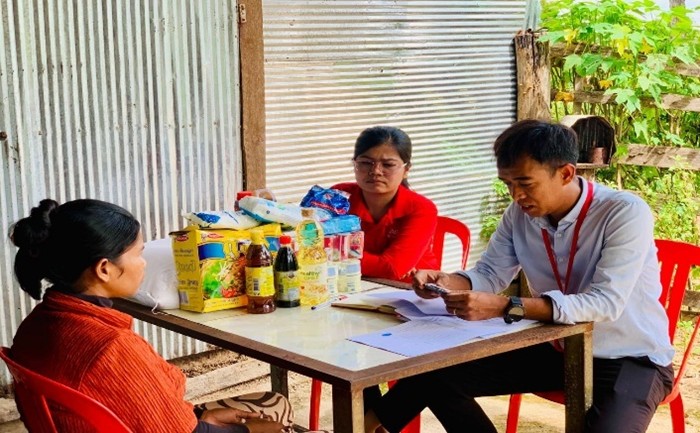 Long-term care
Select the warning signs you notice. This is an awareness exercise, not a trafficking assessment.
A single warning sign does not prove trafficking. When something feels unsafe, pause, verify independently and seek responsible advice.
Forced scamming is a form of human trafficking in which people are deceived by false job offers, transported or confined, and coerced into carrying out online fraud.
People trapped in scam operations may be forced to commit crimes under threats, surveillance, abuse or debt. Without careful victim identification, they can be treated as criminals rather than people who were trafficked.
Survivors may need medical care, safe accommodation, trauma-informed counselling, legal assistance, family support, education, vocational pathways and long-term case management.
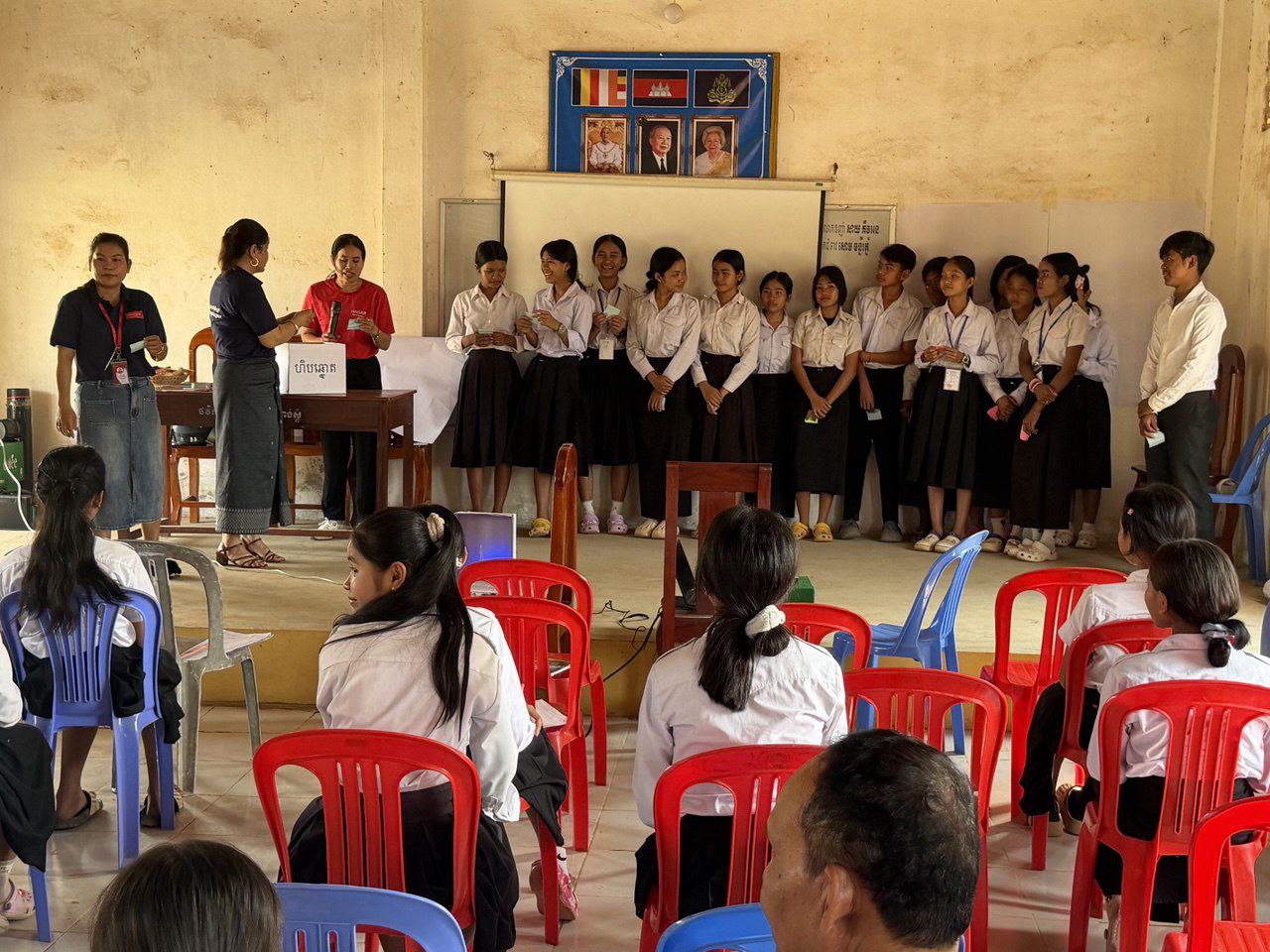
Learn how forced scamming works, share reliable information, verify suspicious job offers, use Hagar’s awareness guides and support organisations providing prevention and survivor care.
On 30 July, help Hagar New Zealand bring attention to forced scamming and support the whole journey of recovery for survivors of trafficking, slavery and abuse.