Masooma, known by her pseudonym Maliha, was only 17 when she was forced into marriage to a much older man without her consent. She remembers the shock with painful clarity: “I had no idea about my wedding. One day, my mother simply called me and said, ‘Maliha, get ready. Today is your wedding.’” From that moment, her life changed.
After the wedding, her in-laws took her to a remote area in Ghazni province. There, she was forced to work inside the home and on the family farm while enduring years of physical and emotional abuse. During this time, she became a mother to two daughters and two sons, yet her daily reality remained one of fear, exhaustion, and silence. The violence deepened when her husband married a second wife, took three of her children away, and sent her back to her sister in Kabul with only her one-year-old nursing infant and no legal divorce.
Living alone in a rented house in Kabul brought new dangers. Because she was young and on her own, she often faced harassment from Taliban forces. Her mental health deteriorated as the trauma of abuse collided with the grief of being separated from her children. The pain became even heavier when a relative brought devastating news: her eldest daughter, just 12 years old, was doing hard labor, caring for her siblings, and suffering abuse from her stepmother. The news pushed Maliha into a severe mental health crisis that led to a six-month hospitalization.
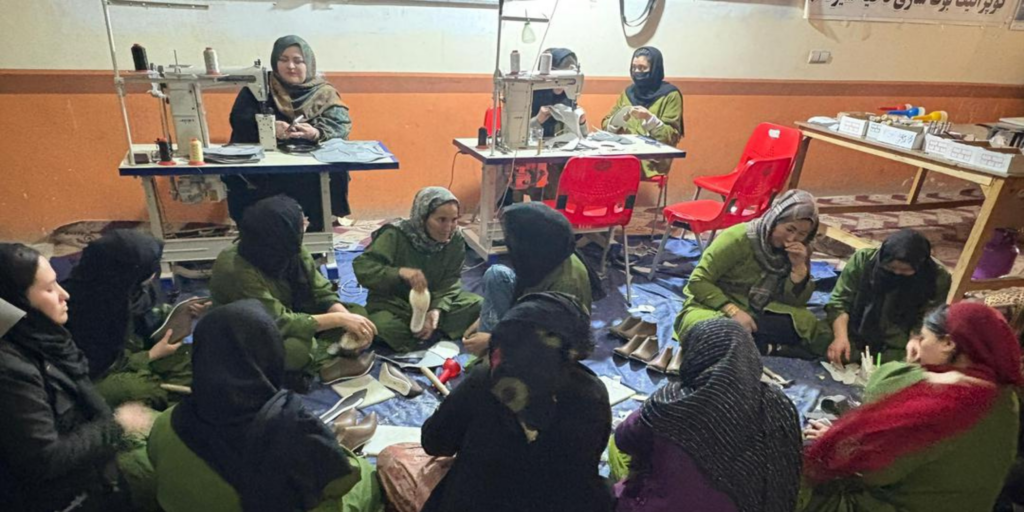
Maliha’s journey shifted when she joined the Dashte Barchi Shoe-Making Cooperative Center through the RLL project. For the past three months, she has been learning practical shoe-making skills that offer more than income potential. The cooperative gives her structure, community, and a temporary escape from pain that has defined so much of her life. Alongside vocational training, she has attended regular individual counseling sessions and received psychiatric care, helping her develop coping strategies and rebuild emotional stability.
With a monthly payment of $50, Maliha can now meet her basic needs and care for her infant. That support may sound modest, but it has created a critical foundation of stability. Combined with counseling and skills training, it has helped her regain a sense of agency and purpose. She is not defined only by what happened to her. She is beginning to build what comes next.
Although she still cannot see her three children, Maliha remains hopeful. She dreams of becoming financially independent through her new skills so she can support her children and eventually regain custody. With the support of community councils and family elders, she is determined to fight for her family’s reunification. She is deeply grateful for the support of Hagar International Afghanistan, whose services have played a crucial role in her healing and empowerment journey.
Maliha’s story shows a clear shift from isolation, abuse, and psychological collapse toward structure, counseling, skills training, and renewed determination.
Her journey also reminds us that healing is not instant. It is built through safety, practical opportunity, consistent care, and people who refuse to look away.
For donors, this is the difference your support makes: not abstract change, but concrete restoration in the life of a mother fighting to rebuild her future.
Every act of generosity helps create safety, trauma support, and livelihood opportunities for survivors.