community members reached through awareness sessions
114
survivors received livelihood support
The Issue
Many survivors have no safe way to begin healing
In Cambodia, survivors often leave situations of exploitation carrying deep trauma and very limited resources. What they’ve experienced affects their safety, their sense of self, and their ability to move forward.
Rebuilding life is not immediate. It requires stability, consistent care, and the chance to regain control over what comes next.
What Hagar did
Supporting recovery through long-term, holistic care
Hagar Cambodia provides comprehensive, survivor-centred support through The Whole Journey programme, addressing immediate needs while building long-term resilience.
In recent months, 203 survivors received support including food assistance, counselling, legal aid, healthcare, education, housing support, and economic empowerment.
Mental health support played a key role in recovery. Among survivors receiving counselling, 87% reported reduced anxiety and 89% showed improved resilience, helping them regain stability and confidence.
Economic empowerment support also helped survivors rebuild independence. A total of 114 survivors received training, job placement, or small business support, with 86% now generating income to support themselves and their families.
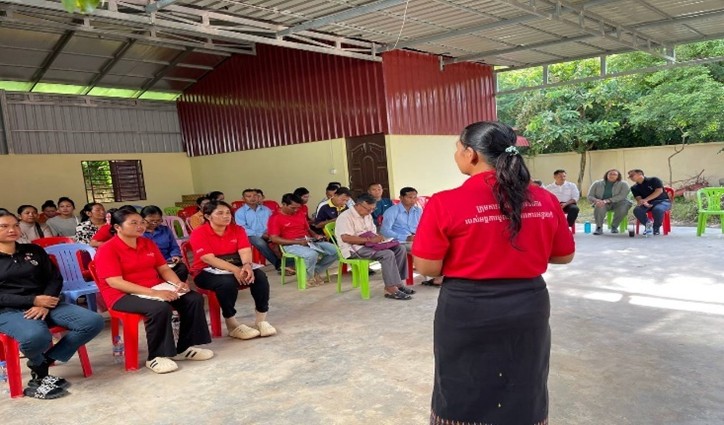
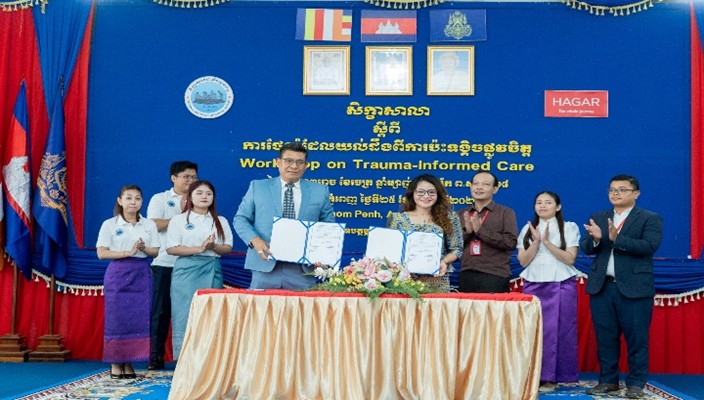
At the same time, Hagar worked with communities and local authorities to strengthen prevention and protection systems, reaching over 1,000 community memberswith awareness on trafficking and safe migration, and training frontline responders to better identify and support survivors.
Why it mattered
From support to self-reliance
As a result of this support, 25 survivors were able to successfully transition out of Hagar’s services, demonstrating increased resilience and the ability to live independently.
With improved mental health, stable income, and stronger support systems, survivors are better equipped to rebuild their lives and reduce the risk of future harm.
At the same time, strengthened community awareness and local systems mean more people can recognise risks early and respond effectively.
Together, this work is helping survivors move from vulnerability to stability, and from stability to independence.
They can access counselling from trained professionals who understand how to create safety, build trust, and walk alongside them through recovery. This support strengthens the spaces where healing begins and ensures survivors have skilled care at one of the most important points in their journey.