

Most people picture trafficking as a kidnapping. A stranger, a van, a border crossed in the dark. The reality is far more ordinary, and far more devastating. Trafficking happens in homes, on screens, in factories and hotels — in countries like Cambodia, Vietnam, and Afghanistan, and here in New Zealand.
Trafficking almost always begins with an offer that sounds like a lifeline: a good job, a chance at independence, a relationship that feels safe. Most often, the trafficker is someone the victim already knows: a neighbour, a boyfriend, an aunt, a friend.
The United Nations defines human trafficking as: “The recruitment, transportation, transfer, harbouring or receipt of people through force, fraud or deception, with the aim of exploiting them for profit.” — UN Office on Drugs and Crime
Human Trafficking
50 million people worldwide are in forced labour or sexual exploitation. It rarely looks the way most of us picture it — and that misunderstanding helps it stay hidden.

-
50 M
People in forced labour or sexual exploitation worldwide
-
1 in 4
Victims are children — many under 12 years old
-
$236 B
Generated every year by traffickers
-
71 %
Of identified survivors are women and girls
Forced labour is the most common form globally, according to the International Labour Organization (2022). Sexual exploitation is the second most common, and the most frequently identified by law enforcement. Human trafficking takes many forms, and no single pattern fits every case.
Types of human trafficking
- Forced labour in factories, agriculture, construction, and domestic settings
- Commercial sexual exploitation including in hotels, entertainment, and online
- Forced marriage including child marriage
- Online exploitation & forced scam operations which have grown rapidly since 2020
- Debt bondage where a person is told they owe money they can never repay

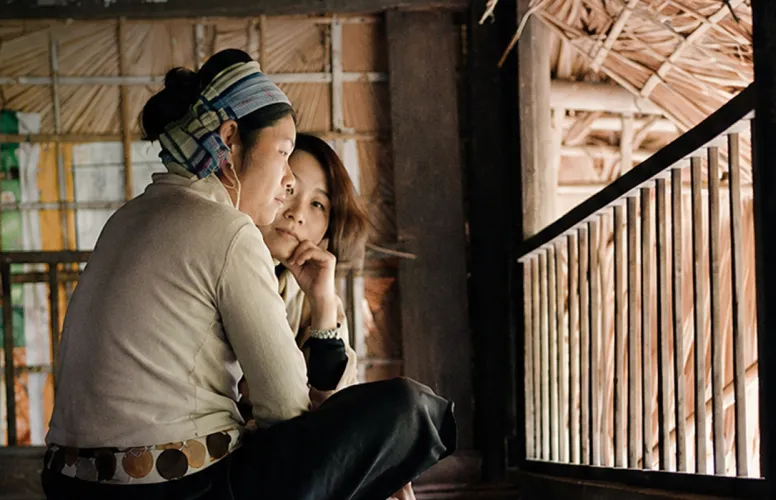
Human trafficking doesn't just happen "over there"
The highest number of trafficking victims are in Asia and the Pacific — in Cambodia, Vietnam, Thailand, and Myanmar. These are countries shaped by poverty, displacement, and limited legal protections for workers. They are also the countries where Hagar works.
New Zealand is not exempt. An estimated 8,000 people are living in conditions of forced labour or exploitation, and officials acknowledge serious exploitation is likely underreported and growing, particularly among migrant workers in horticulture, construction, and hospitality. In 2020, a man was convicted on trafficking and slavery charges involving 13 Samoan nationals brought to New Zealand — some exploited for more than two decades. Increasingly, exploitation also happens through screens: social media, fake job listings, and messaging apps.
Many everyday products carry a hidden history of forced labour. Clothing, electronics, seafood, cocoa, and cotton have all been linked to it somewhere in their supply chain. Research suggests the average New Zealand household spends $77 a week on goods likely produced through child or forced labour — the products on our shelves are often connected, invisibly, to the places where exploitation is worst. That’s why it matters what we buy, and who we buy from.
New Zealand is now acting on this: a Modern Slavery Bill with cross-party support is before Parliament, which would require large organisations to publicly report on the risk of forced labour in their operations and supply chains.
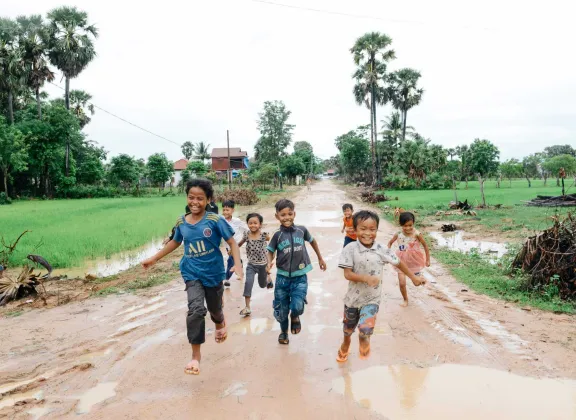
How to prevent human trafficking
Prevention starts with understanding how trafficking actually works. When families can recognise a false job offer, when communities are connected enough to notice someone in trouble, and when local systems protect those most at risk, traffickers find fewer opportunities.
Hagar’s prevention work happens at three levels: with families, who need honest, specific information about how recruitment works; with teachers, faith leaders, and community workers, who are often the first to notice when someone is at risk; and with governments and institutions, working to close the legal gaps that traffickers exploit.
Frequently Asked Questions
What is the most common form of human trafficking?
How many people are affected?
What happens to survivors after trafficking ends?
Is human trafficking the same as smuggling?
Is the movie Sound of Freedom based on a true story?
How can I help?
Warning signs of human trafficking
If you suspect trafficking or exploitation in New Zealand, do not intervene directly. Call Police on 105, or 111 if someone is in immediate danger. To report workplace exploitation, contact the MBIE Service Centre on 0800 20 90 20. To report anonymously, call Crimestoppers on 0800 555 111.
Signs in a person
- Seems confused or disorientated about their location, the date, or basic facts about themselves
- Cannot speak freely, someone else answers for them or monitors what they say
- Gives scripted or rehearsed answers that don’t feel natural
- Shows signs of physical abuse, malnourishment, exhaustion, or untreated injuries
- Has few or no personal possessions — no ID, no phone, no money of their own
- Lives and works in the same place, or is moved between locations by someone else
- Seems fearful or unusually submissive, especially around a particular person
- Is a minor who appears engaged in commercial sex or has an older ‘boyfriend’ or ‘manager’
Signs in a situation
- Multiple people living in a cramped space with little freedom of movement
- Someone else holds or controls their identity documents — passport, visa, ID
- They are not allowed to speak for themselves in medical, legal, or official settings
- Their account of events changes or doesn’t match their documentation
- They don’t know their employer’s address or the terms of their employment